Exploring the Role of Artificial Intelligence in the Healthcare Industry
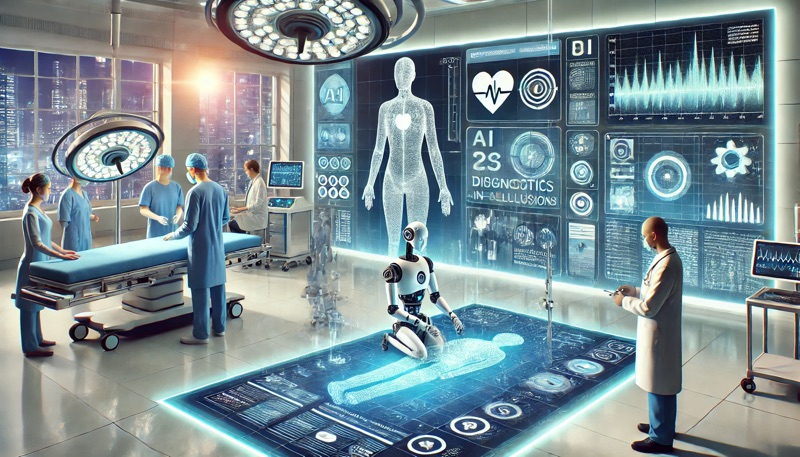
Artificial Intelligence (AI) is revolutionising the healthcare sector by boosting effectiveness, enhancing precision, and facilitating individualised care. The following presents a breakdown of its primary functions and uses:
1. Diagnosis and Prediction of Diseases
• Utilizing AI-driven tools like deep learning to scrutinize medical images (e.g., X-rays, MRIs, CT scans) for the accurate identification of anomalies such as tumors, fractures, or infections.
• Harnessing predictive analytics to evaluate patient data and anticipate the likelihood of ailments like diabetes, cardiovascular diseases, or cancer, aiding in timely intervention.
• Speeding up the interpretation of genetic information through AI to recognise hereditary disorders and explore potential treatment avenues.
2. Customized Treatment
• Enabling personalised treatment plans based on an individual's genetic composition, lifestyle choices, and environmental factors.
• Streamlining the process of drug discovery by pinpointing promising compounds and simulating their interactions, thereby reducing time and costs.
3. Patient Care and Supervision
• Providing round-the-clock assistance through AI chatbots and voice assistants for addressing queries, scheduling appointments, and reminding patients about medications.
• Monitoring vital signs in real time using AI-powered wearable gadgets, which promptly alert healthcare providers in case of any abnormalities.
• Enhancing virtual consultations by analyzing patient symptoms and offering diagnostic suggestions to medical practitioners.
4. Improving Operational Efficiency
• Automating administrative tasks like patient scheduling, managing medical records, and billing using AI, thereby alleviating the workload on healthcare staff.
• Optimizing the allocation of resources in hospitals by predicting patient inflow, managing inventory, and ensuring the efficient utilization of medical equipment.
5. Role of Robotics in Surgery
• Enhancing precision and minimizing risks in surgeries, especially minimally invasive procedures, through AI-driven robotic systems.
• Assisting in physical therapy and rehabilitation via AI-powered devices.
6. Contributions to Public Health and Epidemiology
• Forecasting and tracking disease outbreaks by analyzing global data, assisting governments in pandemic preparedness.
• Identifying trends and aiding in policy decisions through the examination of extensive datasets.
7. Support for Mental Health
• Offering cognitive behavioral therapy (CBT) and emotional support through AI therapy applications such as Woebot and Wysa.
• Detecting mental health issues through sentiment analysis of speech, text, or social media content.
Challenges and Ethical Considerations
• Safeguarding patient data security and adhering to regulations like HIPAA.
• Mitigating biases in AI models to ensure impartial healthcare outcomes.
• Integrating AI with existing healthcare systems and fostering acceptance among healthcare professionals.
• Navigating stringent approval procedures for AI applications in the medical domain.
Future Outlook
AI will continue to revolutionise healthcare by fostering innovations like real-time diagnostics, virtual hospitals, and enhanced patient-provider collaboration. As technology advances, ethical and regulatory frameworks must evolve to ensure AI is responsible and widespread adoption.


Comments
Post a Comment